Before playlists. Before algorithms. Before “going viral.”
There were people.
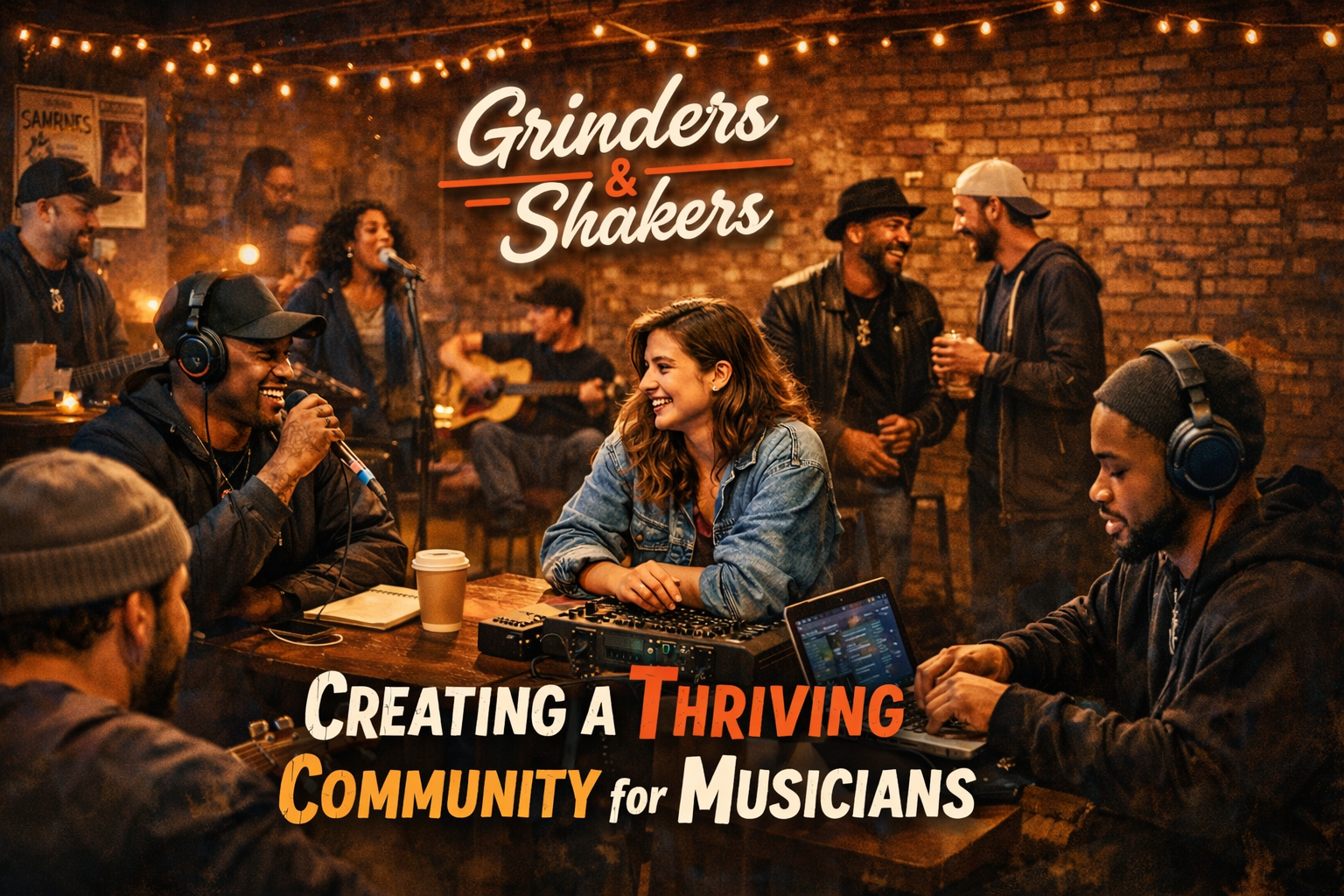
People gathering in basements, living rooms, small bars, and back rooms — sharing songs, ideas, and dreams. That’s where grassroots music collectives were born, and that spirit is still alive today.
“When artists support each other, the culture grows on its own.”
It Started Small — and That Was the Point
Most collectives began in tiny spaces. Living rooms. Basements. Coffee shops. Back corners of bars.
No stages. No budgets. Just music and people willing to support it.
Artists shared gear. Promoted each other. Helped carry speakers. If one person got an opportunity, they brought someone else with them. That’s how scenes were built — slowly, organically, and with intention.

It Was Never About Clout
Back then, nobody was chasing numbers.
They were chasing connection.
People came out because it felt good to be there. Because the room felt safe. Because artists were allowed to experiment, mess up, and grow in front of people who actually cared.
That energy is still the blueprint.
Growing Without Losing the Soul
As time went on, collectives changed — they had to.
Social media made it easier to reach people. Technology made music easier to share. What used to be word-of-mouth turned into group chats, posts, and playlists.
The ones that lasted learned how to grow without losing what made them special. They used new tools, but kept the same heart.
Safe Spaces Changed Everything
Modern grassroots collectives understand something important: artists don’t just need stages — they need safe spaces.
Places where new voices are welcomed. Where differences are respected. Where creativity isn’t boxed in. Where you don’t have to prove yourself just to belong.
That’s a big part of why collectives like Grinders & Shakers matter. They’re intentional about the energy in the room.
More Than Just Music
Today’s collectives do more than host events.
They offer guidance. They share resources. They connect people who might never meet otherwise. They help artists navigate the real-life parts of this journey — not just the creative ones.
That kind of support sticks with you.
Why Grassroots Still Matter
In a world that moves fast and rewards noise, grassroots collectives slow things down.
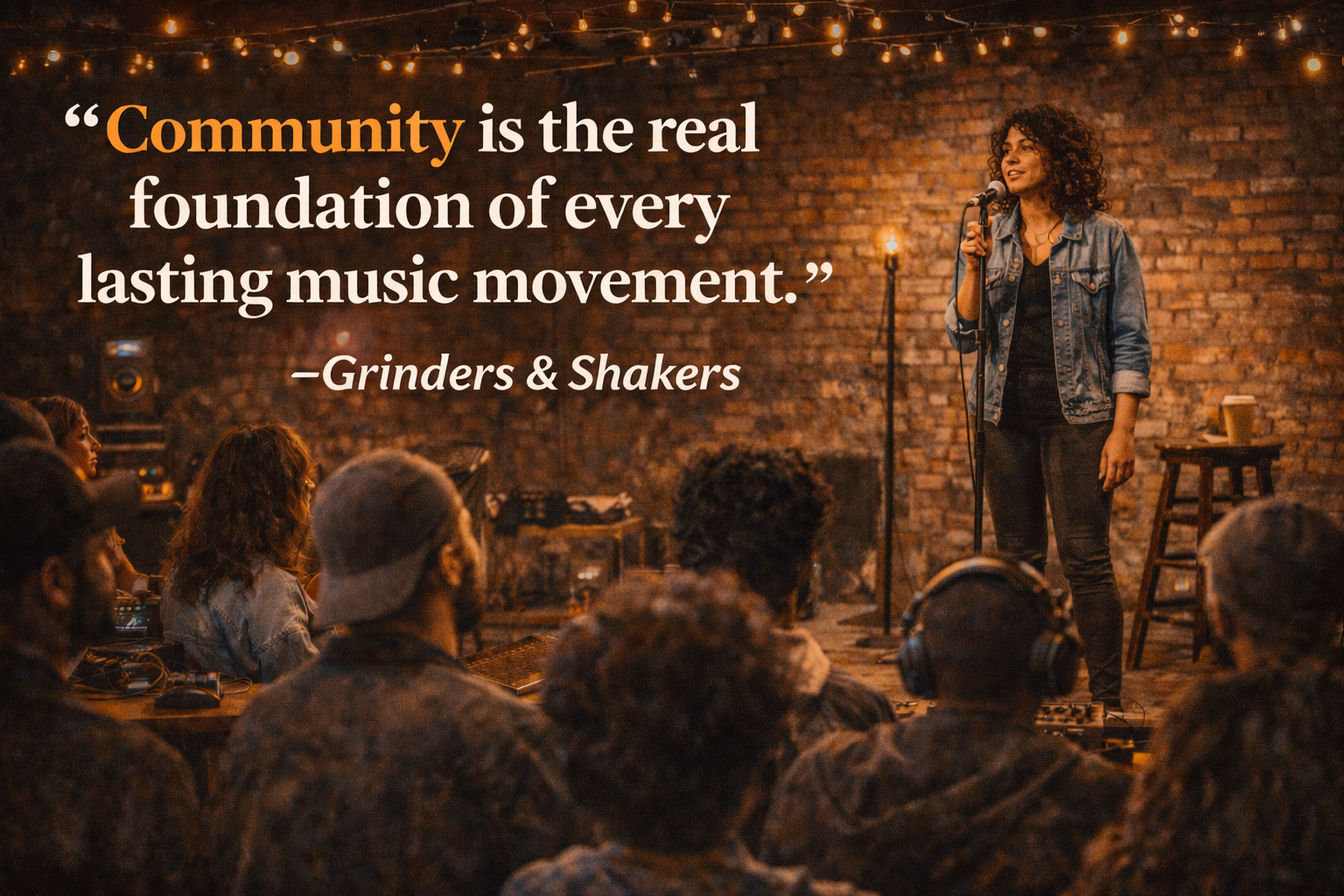
They remind us that music is about people first. That scenes don’t come from algorithms — they come from consistency, care, and community.
Trends fade. Community lasts.
Where It’s Headed
The future of grassroots collectives isn’t about being the biggest in the room.
It’s about being the realest.
As long as artists keep showing up for one another, these spaces will keep evolving — and music will keep finding new ways to thrive.
Leave a Reply